
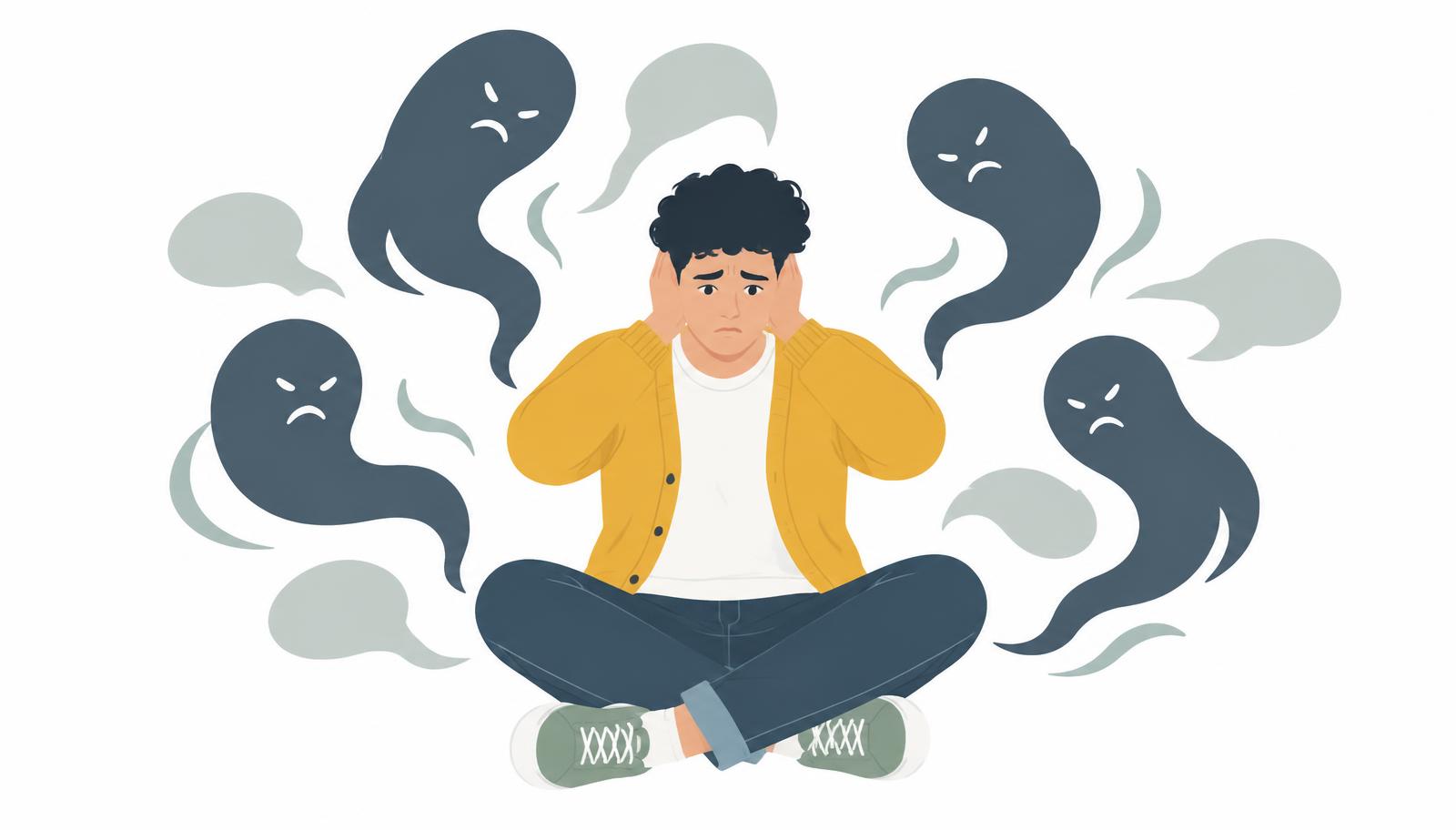
Psychiatric Treatments · October 16, 2026
Schizophrenia is one of the most complex psychiatric disorders, affecting how individuals think, perceive reality, experience emotions, and interact with the world. Although schizophrenia is frequently associated with hallucinations and delusions, it involves much more than psychotic symptoms.
Individuals living with schizophrenia may experience difficulties with memory, motivation, concentration, emotional expression, and social functioning. These challenges can interfere with education, employment, relationships, and independent living.
However, schizophrenia is treatable, and recovery is possible. Advances in psychiatric medicine, including long-acting injectable antipsychotics (LAIs), newer medications such as Cobenfy (xanomeline/trospium), and specialized treatments such as Clozaril (clozapine), provide patients with more treatment options than ever before.
At Turned Leaf Psychiatry, we believe that effective psychiatric care requires early identification, accurate diagnosis, personalized medication management, and ongoing support.
What Is Schizophrenia?
Schizophrenia is a chronic psychiatric disorder characterized by disturbances in thinking, perception, behavior, and emotional functioning.
It is classified as a psychotic disorder because individuals may experience difficulty distinguishing internal experiences from external reality.
Schizophrenia is not the same as dissociative identity disorder, sometimes incorrectly referred to as having multiple personalities. Individuals with schizophrenia are also not inherently violent or incapable of maintaining meaningful relationships and productive lives.
The exact cause of schizophrenia remains unknown. However, research suggests that its development involves a combination of genetic susceptibility, neurodevelopmental differences, environmental influences, and changes in neurotransmitter activity.
Historically, dopamine dysregulation has been central to understanding schizophrenia. More recent research has identified the importance of glutamate, acetylcholine, and complex neural circuits.
A 2024 review published in Nature Reviews Neurology, titled Schizophrenia: From Neurochemistry to Circuits, Symptoms and Treatments, examines how abnormalities in neurotransmitter systems and neural circuitry contribute to schizophrenia.
These discoveries have helped researchers develop medications that work differently from traditional dopamine-blocking antipsychotics.
What Are the Symptoms of Schizophrenia?
Schizophrenia symptoms are generally divided into three categories: positive, negative, and cognitive symptoms.
1. Positive Symptoms
Positive symptoms involve experiences or behaviors that are added to normal mental functioning.
These may include:
- Hallucinations: Hearing voices, seeing images, or experiencing sensations without an external stimulus. Auditory hallucinations are particularly common.
- Delusions: Strongly held false beliefs that persist despite convincing evidence to the contrary.
- Paranoia: Excessive suspiciousness or beliefs that others are watching, following, or intending to harm the individual.
- Disorganized thinking: Difficulty organizing thoughts or maintaining coherent conversations.
- Disorganized behavior: Unpredictable, unusual, or markedly disorganized actions.
- Catatonia: Significant disturbances in movement and responsiveness, sometimes involving immobility, mutism, or excessive motor activity.
Positive symptoms are often the most recognizable features of schizophrenia and frequently prompt patients or families to seek psychiatric treatment.
2. Negative Symptoms
Negative symptoms represent a reduction in normal emotional, motivational, or behavioral functioning.
Examples include:
- Avolition: Reduced motivation to initiate or complete activities.
- Anhedonia: Reduced ability to experience or anticipate pleasure.
- Alogia: Decreased spontaneous speech.
- Asociality: Reduced interest in social interaction.
- Blunted affect: Diminished outward emotional expression.
Reduced self-care: Difficulty maintaining personal hygiene or completing daily responsibilities.
Negative symptoms are frequently misunderstood.
Family members may interpret these behaviors as laziness, lack of motivation, or unwillingness to participate in everyday activities. However, they may reflect underlying changes in brain functioning.
3. Cognitive Symptoms
Cognitive symptoms affect memory, attention, executive functioning, and information processing.
Individuals may experience difficulty concentrating, remembering instructions, planning activities, making decisions, or completing complex tasks.
These symptoms can significantly affect employment, education, financial management, and independent living.
The 2024 review in Nature Reviews Neurology discusses the relationship between altered neural circuitry and the positive, negative, and cognitive symptoms of schizophrenia.
Importantly, traditional antipsychotic medications are generally more effective for positive symptoms than for persistent negative or cognitive symptoms.
What Are the Prodromal Symptoms of Schizophrenia?
One of the most important opportunities for early intervention is recognizing changes that may occur before the first episode of psychosis.
The prodromal phase refers to a period of subtle behavioral, psychological, and functional changes that can precede the development of schizophrenia or another psychotic disorder.
These changes may develop gradually over months or years.
Common Early Warning Signs
Potential prodromal symptoms include:
- Increasing social isolation or withdrawal from friends and family.
- Declining academic performance or difficulty maintaining employment.
- Changes in sleeping patterns.
- Increasing suspiciousness or unusual beliefs.
- Mild perceptual disturbances, such as hearing indistinct sounds.
- Difficulty concentrating or organizing thoughts.
- Reduced motivation and neglect of personal hygiene.
- Increased anxiety, depression, or irritability.
- Difficulty communicating clearly.
- A noticeable decline in everyday functioning.
A 2024 systematic review and meta-analysis published in Molecular Psychiatry, On the Proportion of Patients Who Experience a Prodrome Prior to Psychosis Onset, estimated that approximately 78% of individuals who developed psychosis experienced a prodromal period beforehand.
Additionally, 2023 research published in Schizophrenia examined psychosocial stress, interpersonal sensitivity, and social withdrawal among individuals considered at clinical high risk for psychosis.
These findings emphasize the importance of evaluating significant behavioral and functional changes, particularly during adolescence and early adulthood.
However, experiencing these symptoms does not necessarily mean that someone will develop schizophrenia.
Anxiety disorders, depression, trauma-related conditions, substance use, and other psychiatric illnesses can produce similar symptoms.
Early psychiatric evaluation can help distinguish these conditions and identify patients who may benefit from specialized early-intervention services.
At What Age Does Schizophrenia Usually Develop?
Schizophrenia most commonly emerges during late adolescence and early adulthood.
However, the age of onset differs between males and females.
Schizophrenia in Males
Males generally experience schizophrenia onset earlier than females.
The first symptoms frequently appear between the late teenage years and mid-20s.
Schizophrenia in Females
Females often experience the onset of schizophrenia somewhat later, commonly during their 20s and early 30s.
Research also suggests a smaller second peak of onset among women during midlife.
Childhood-Onset Schizophrenia
Schizophrenia beginning before age 13 is exceptionally rare.
Children experiencing hallucinations, unusual behavior, or significant emotional disturbances require careful evaluation for developmental, neurological, trauma-related, and other psychiatric conditions.
Late-Onset Schizophrenia
Schizophrenia can occasionally emerge later in adulthood.
However, new-onset psychotic symptoms in older adults warrant a thorough assessment for neurological conditions, medication effects, delirium, substance use, and other medical causes.
The 2024 review in Nature Reviews Neurology discusses the neurodevelopmental processes associated with schizophrenia and the transition from early symptoms to established illness.
When Is Schizophrenia Usually Diagnosed?
Schizophrenia is frequently diagnosed during late adolescence or early adulthood, often following a first recognized psychotic episode.
However, symptoms may be present long before a formal diagnosis.
Under DSM-5-TR criteria, schizophrenia generally requires:
- At least two characteristic symptoms during a significant portion of a one-month period, or less if successfully treated.
- At least one symptom involving delusions, hallucinations, or disorganized speech.
- Significant impairment in occupational, interpersonal, academic, or self-care functioning.
- Continuous signs of disturbance lasting at least six months, including the active-phase period.
- Exclusion of other psychiatric disorders, substance-related conditions, and medical explanations.
A comprehensive psychiatric evaluation may include a clinical interview, mental status examination, review of medical and psychiatric history, medication assessment, substance-use screening, and laboratory testing when clinically indicated.
Patients experiencing a first episode of psychosis should receive prompt evaluation and treatment rather than waiting until the six-month diagnostic threshold has been reached.
How Is Schizophrenia Treated?
Schizophrenia treatment has advanced significantly, and clinicians now have several medication strategies available.
Treatment generally combines antipsychotic medication with psychotherapy, family education, psychosocial rehabilitation, and ongoing psychiatric monitoring.
1. Traditional and Second-Generation Antipsychotics
Antipsychotic medications remain a cornerstone of schizophrenia treatment.
Common medications include:
- Risperidone (Risperdal)
- Paliperidone (Invega)
- Aripiprazole (Abilify)
- Olanzapine (Zyprexa)
- Quetiapine (Seroquel)
- Lurasidone (Latuda)
- Cariprazine (Vraylar)
- Lumateperone (Caplyta)
- Haloperidol (Haldol)
Most traditional and second-generation antipsychotics work partly through dopamine D2 receptor blockade or modulation.
These medications can substantially reduce hallucinations, delusions, and disorganized thinking.
However, potential adverse effects include weight gain, metabolic changes, sedation, movement disorders, elevated prolactin, and akathisia.
The 2024 review by Howes and colleagues describes why medications targeting neurotransmitter systems beyond dopamine may expand treatment possibilities.
Long-Acting Injectable Antipsychotics: Improving Treatment Consistency
Long-acting injectable antipsychotics, commonly referred to as LAIs, are an important option for individuals living with schizophrenia.
Unlike daily oral medications, LAIs are administered at intervals ranging from several weeks to six months, depending on the formulation.
Common Long-Acting Injectable Antipsychotics
| Medication | Typical Maintenance Interval |
|---|---|
| Invega Sustenna (paliperidone) | Monthly |
| Invega Trinza (paliperidone) | Every 3 months |
| Invega Hafyera (paliperidone) | Every 6 months |
| Abilify Maintena (aripiprazole) | Monthly |
| Abilify Asimtufii (aripiprazole) | Every 2 months |
| Aristada (aripiprazole lauroxil) | Every 4–8 weeks, depending on dose |
| Uzedy (risperidone) | Every 1–2 months |
| Perseris (risperidone) | Monthly |
| Haldol Decanoate (haloperidol) | Commonly every 4 weeks |
Some formulations require oral medication overlap or stabilization on another injectable formulation before initiation.
What Are the Benefits of LAIs?
Potential benefits include improved treatment consistency, fewer missed doses, reduced relapse risk in appropriate patients, and less dependence on remembering daily medication.
A 2024 systematic review and network meta-analysis published in European Neuropsychopharmacology evaluated 115 randomized clinical trials involving 25,550 participants.
The researchers found that both oral and long-acting injectable antipsychotics were effective for treating acute schizophrenia symptoms, without a significant overall efficacy advantage for LAIs over corresponding oral medications.
However, LAIs offer a delivery method that may be particularly helpful for patients who experience difficulty maintaining consistent oral treatment.
A separate 2024 systematic review examining LAIs in early-phase schizophrenia-spectrum disorders explored their effectiveness and tolerability during the earlier stages of illness.
LAIs may be considered early in treatment and should not automatically be reserved for patients who have experienced repeated relapses or medication nonadherence.
Cobenfy: A New Approach to Treating Schizophrenia
One of the most significant recent developments in schizophrenia treatment is Cobenfy (xanomeline/trospium chloride).
Cobenfy received FDA approval in September 2024 for the treatment of schizophrenia in adults.
Unlike traditional antipsychotics, Cobenfy does not rely on direct dopamine D2 receptor blockade.
Instead, xanomeline acts primarily on muscarinic M1 and M4 acetylcholine receptors.
Trospium is included to reduce peripheral cholinergic adverse effects.
This represents an important development because it provides an alternative pharmacological mechanism for treating schizophrenia.
What Does the Research Show?
A 2024 phase 3 randomized clinical trial published in The Lancet, known as EMERGENT-2, evaluated xanomeline/trospium in adults experiencing acute schizophrenia symptoms.
Over five weeks, patients receiving xanomeline/trospium demonstrated significantly greater improvement in schizophrenia symptom severity compared with placebo.
The treatment group experienced an average 21.2-point improvement in Positive and Negative Syndrome Scale (PANSS) scores, compared with an 11.6-point improvement in the placebo group.
A 2024 pooled analysis of three EMERGENT clinical trials also demonstrated improvements in schizophrenia symptoms with xanomeline/trospium compared with placebo.
These studies support Cobenfy as an important additional treatment option for adults living with schizophrenia.
Potential Benefits of Cobenfy
Because Cobenfy does not directly block dopamine D2 receptors, it may offer a different adverse-effect profile than traditional antipsychotics.
Short-term clinical studies found relatively low rates of certain movement-related adverse effects and weight gain.
However, Cobenfy can cause nausea, vomiting, constipation, abdominal discomfort, dyspepsia, increased heart rate, and other adverse effects.
It also has important contraindications, including urinary retention, gastric retention, untreated narrow-angle glaucoma, and moderate or severe hepatic impairment.
Cobenfy is not currently established as a substitute for clozapine in treatment-resistant schizophrenia.
Its long-term comparative effectiveness continues to be investigated.
Clozaril (Clozapine): An Important Treatment for Treatment-Resistant Schizophrenia
Some individuals continue to experience significant schizophrenia symptoms despite treatment with standard antipsychotic medications.
This condition is known as treatment-resistant schizophrenia.
Treatment resistance is generally considered when a patient has failed to respond adequately to at least two appropriately selected antipsychotic medications administered at adequate doses and durations, after confirming adherence and reassessing other potential causes of nonresponse.
A 2023 systematic review and meta-analysis examining 50 studies involving 29,390 patients estimated that approximately 36.7% of patients across the included schizophrenia-spectrum samples met criteria for treatment resistance.
For these individuals, clozapine may offer substantial benefits.
Why Is Clozapine Different?
Clozapine has demonstrated particular effectiveness in treatment-resistant schizophrenia.
It may reduce persistent hallucinations, delusions, recurrent psychiatric hospitalizations, and suicidal behavior in appropriately selected patients.
Clozapine is generally recommended after two adequate antipsychotic trials have failed, rather than requiring patients to undergo numerous additional ineffective medication trials.
What Are the Risks of Clozapine?
Clozapine requires specialized monitoring because of potentially serious adverse effects.
These include:
- Severe neutropenia.
- Myocarditis and cardiomyopathy.
- Severe constipation, gastrointestinal hypomotility, and bowel obstruction.
- Seizures.
- Orthostatic hypotension.
- Sedation.
- Weight gain and metabolic abnormalities.
Blood monitoring, particularly absolute neutrophil count (ANC) testing, remains an important part of safe clozapine treatment.
In 2025, the FDA removed the mandatory clozapine Risk Evaluation and Mitigation Strategy (REMS) program.
Although this change reduced administrative barriers to prescribing and dispensing, ANC monitoring remains recommended.
Patients and families can review the FDA's 2025 clozapine safety communication for additional information.
The Importance of Psychotherapy and Family Support
Medication is central to schizophrenia treatment, but effective care involves more than medication alone.
Psychosocial interventions can help individuals improve functioning, develop coping strategies, strengthen relationships, and maintain independence.
These interventions may include:
- Cognitive Behavioral Therapy for Psychosis (CBTp): Helps patients manage distressing experiences and develop coping strategies.
- Family Psychoeducation: Helps family members understand schizophrenia, identify relapse warning signs, and provide effective support.
- Supported Employment and Education: Helps patients return to work or school.
- Social Skills Training: Supports communication, interpersonal relationships, and independent living.
- Coordinated Specialty Care: Provides multidisciplinary treatment for individuals experiencing first-episode psychosis.
- Substance-Use Treatment: Addresses alcohol, cannabis, stimulants, and other substances that may worsen psychotic symptoms.
Early intervention and ongoing treatment can help reduce relapse risk and support better long-term functioning.
How Can Turned Leaf Psychiatry Help Patients With Schizophrenia?
At Turned Leaf Psychiatry, we believe that individuals living with schizophrenia deserve compassionate, individualized, evidence-based psychiatric care.
Schizophrenia affects more than a person's thoughts. It can influence physical health, employment, family relationships, independence, and overall quality of life.
Our goal is to help patients achieve greater stability while supporting their dignity, personal goals, and long-term recovery.
Comprehensive Psychiatric Evaluations
Accurate diagnosis is the foundation of effective treatment.
Turned Leaf Psychiatry provides psychiatric evaluations that may include assessment of psychotic symptoms, psychiatric and medical history, medication response, co-occurring psychiatric disorders, and individual treatment needs.
Because symptoms of schizophrenia can overlap with bipolar disorder, major depressive disorder with psychotic features, substance-induced psychosis, and neurological conditions, a careful diagnostic assessment is essential.
Individualized Medication Management
No single medication is appropriate for every patient.
Treatment decisions should consider symptom severity, previous medication response, adverse effects, co-occurring medical conditions, patient preferences, and long-term goals.
Our medication-management approach emphasizes individualized treatment rather than a one-size-fits-all strategy.
Long-Acting Injectable Antipsychotic Options
For individuals who struggle with daily medication schedules or prefer less frequent dosing, long-acting injectable antipsychotics may offer an effective alternative.
Turned Leaf Psychiatry can evaluate whether LAI treatment is appropriate and coordinate administration and monitoring as clinically indicated.
Exploring Newer Treatments Such as Cobenfy
Patients who experience inadequate symptom improvement or troublesome adverse effects with traditional antipsychotics may benefit from discussing newer medication options.
Cobenfy offers a different mechanism of action and may be appropriate for selected adult patients.
A comprehensive medication review can help determine whether this treatment is suitable.
Evaluation for Clozapine Treatment
For patients experiencing persistent symptoms despite adequate antipsychotic treatment, evaluation for treatment-resistant schizophrenia may be appropriate.
When clozapine is indicated, safe treatment requires careful medication management, laboratory monitoring, and coordination with other healthcare professionals.
Turned Leaf Psychiatry can assist with evaluating treatment options and coordinating specialized services when necessary.
Ongoing Monitoring and Relapse Prevention
Schizophrenia is often a long-term condition requiring continued psychiatric care.
Ongoing treatment may focus on monitoring symptoms, identifying early signs of relapse, addressing medication adverse effects, improving treatment consistency, and coordinating with family members and other healthcare providers.
Our mission is to help patients move beyond symptom management toward greater independence, improved functioning, and a meaningful quality of life.
Availability of specific LAI administration services, Cobenfy prescribing, and clozapine initiation or monitoring should be confirmed directly with the practice.
Schizophrenia Is Treatable, and Recovery Is Possible
A diagnosis of schizophrenia can feel overwhelming for patients and families. However, modern psychiatric treatment offers meaningful opportunities for symptom improvement, greater stability, and improved functioning.
Advances in psychiatric research have expanded treatment beyond traditional antipsychotic medications.
Long-acting injectable antipsychotics can support consistent treatment. Cobenfy offers a new muscarinic-based approach to schizophrenia management. Clozapine remains an essential treatment for patients with treatment-resistant illness.
Combined with early identification, psychotherapy, family involvement, and ongoing psychiatric monitoring, these treatments can help patients work toward greater stability and independence.
At Turned Leaf Psychiatry, we believe every individual deserves access to compassionate, personalized, evidence-based psychiatric care.
Evidence-Based. Christian Centered. Integrated Care.
Call (601) 494-5503, visit us at 199 Charmant Place, Suite 1, Ridgeland, MS 39157, or request an appointment.
If you or someone you love is in crisis, call or text 988, or call 911.
Medical Disclaimer: This article is provided for educational purposes and does not replace individualized medical advice, psychiatric evaluation, or treatment. Medication benefits and risks vary between patients. Individuals experiencing acute psychosis, severe confusion, or immediate safety concerns should seek urgent medical evaluation.
References
- Howes OD, Bukala BR, Beck K. (2024). Schizophrenia: From neurochemistry to circuits, symptoms and treatments. Nature Reviews Neurology, 20, 22–35.
- (2024). On the proportion of patients who experience a prodrome prior to psychosis onset: A systematic review and meta-analysis. Molecular Psychiatry.
- (2023). Psychosocial stress, interpersonal sensitivity, and social withdrawal in clinical high risk for psychosis. Schizophrenia.
- Wang D, et al. (2024). Efficacy, acceptability and side-effects of oral versus long-acting-injectables antipsychotics: Systematic review and network meta-analysis. European Neuropsychopharmacology.
- (2024). Efficacy and safety of long-acting injectable versus oral antipsychotics in early-phase schizophrenia-spectrum disorders. Therapeutic Advances in Psychopharmacology.
- Kaul I, et al. (2024). Efficacy and safety of the muscarinic receptor agonist KarXT (xanomeline-trospium) in schizophrenia (EMERGENT-2). The Lancet, 403, 160–170.
- Kaul I, et al. (2024). Efficacy of xanomeline and trospium chloride in schizophrenia: Pooled results from three EMERGENT trials. Schizophrenia.
- Diniz E, et al. (2023). Treatment resistance in schizophrenia: A meta-analysis of prevalence and correlates. Brazilian Journal of Psychiatry.
- U.S. Food and Drug Administration (2025). FDA removes risk evaluation and mitigation strategy (REMS) program for the antipsychotic drug clozapine.
If you are in crisis
If you are having thoughts of suicide or are in emotional crisis, call or text 988 to reach the 988 Suicide & Crisis Lifeline. If you or someone else is in immediate danger, call 911.
Medical disclaimer
This article is educational information only. It is not a diagnosis, a treatment plan, or a substitute for individualized care from your own clinician. For emergencies call 911; for a mental health crisis call or text 988.
Read our editorial policy or report a correction.