
Complex Psychiatry
Evaluation and treatment of mood, thought, trauma-related, and personality disorders, including complex psychiatric conditions accompanied by medical comorbidities.
More about the founder
Clinical Leadership, Evidence-Based Treatment, and Compassionate Care
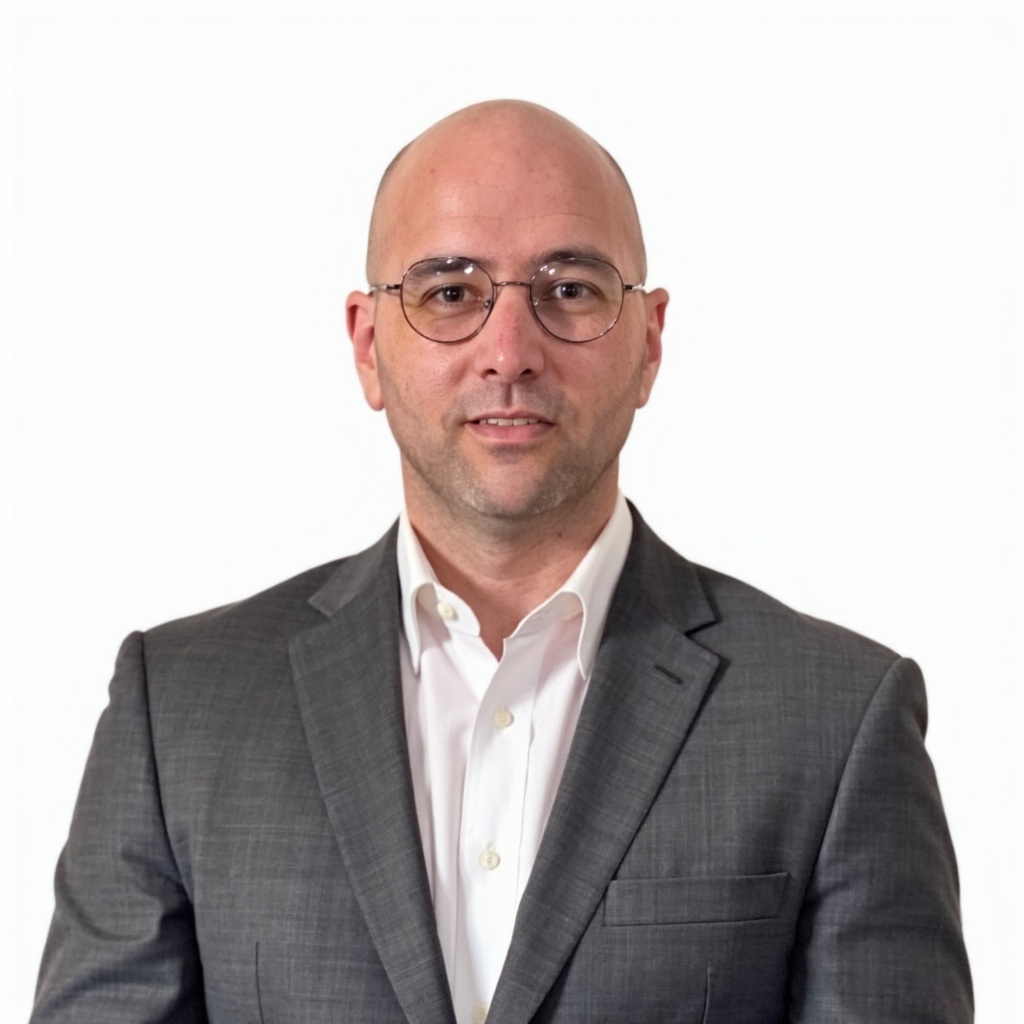

Stephen Sweeney, PMHNP-BC, is the founder of Turned Leaf Psychiatry and a board-certified psychiatric-mental health nurse practitioner dedicated to delivering individualized, evidence-based psychiatric care.
Stephen built a robust clinical foundation while serving as a Director of Nursing and sole psychiatric prescriber for partial hospitalization and intensive outpatient programs across Arkansas, Tennessee, and Georgia. Under the mentorship of leading psychiatrists, he developed extensive experience managing complex neuropsychiatric disorders, psychiatric crises, co-occurring medical conditions, and dual-diagnosis substance-use disorders.
His commitment to patient well-being is also reflected in his history of providing pro bono services to help vulnerable individuals maintain a reliable continuum of psychiatric care.
Today, through his practice in Ridgeland, Mississippi, Stephen advocates for improved mental-health access, reduced stigma, and more compassionate treatment. He also helps prepare the next generation of healthcare professionals by serving as a clinical preceptor for the University of Mississippi Medical Center.
To further bridge gaps in mental-health access, Turned Leaf Psychiatry provides comprehensive telehealth services to eligible patients across Mississippi, Tennessee, Arkansas, Georgia, and Kansas.
Stephen's approach to mental healthcare is also shaped by his Christian faith. Although he grew up attending a Southern Baptist church with his family, he privately considered himself agnostic.
Around age 22, Stephen began reading the Bible from beginning to end with the intention of disproving Christianity. Instead, his study of Scripture led him to become convinced of its truth and to accept the Gospel he had initially set out to challenge.
At age 23, Stephen placed his faith in Jesus Christ and began what he describes as his new life in Christ. He believes that the death, burial, and resurrection of Jesus Christ provide the sure foundation of salvation.
In 2012, Stephen graduated with honors from Belhaven University with a Bachelor of Science in Healthcare Administration and a minor in Christian Studies. Belhaven's Christian education and Presbyterian heritage immersed him in sound theology and strengthened his ability to examine clinical, professional, ethical, and cultural questions through a biblical worldview.
Stephen considers himself a non-denominational Christian who regards the Bible as the authoritative foundation of Christian doctrine. His experiences with Baptist, Assemblies of God, Presbyterian, Methodist, Charismatic, Reformed, and Pentecostal traditions have given him an appreciation for the different denominational backgrounds Christian patients may bring into treatment.
He has devoted considerable time to studying and memorizing Scripture and enjoys classic Christian literature, including C. S. Lewis's The Screwtape Letters, John Bunyan's The Pilgrim's Progress, and Charles Spurgeon's All of Grace.
Stephen currently attends Broadmoor Baptist Church in Madison, Mississippi.
His Christian service has included teaching Sunday school and Celebrate Recovery at Crossgates Baptist Church and participating in ministries such as We Will Go Ministries. From 2018 through 2021, Stephen served on the Ethics Committee at St. Dominic Hospital, where he contributed his clinical perspective to discussions involving complex questions of healthcare ethics.
Turned Leaf Psychiatry also serves as a psychiatric provider for Sunnybrook Children's Home, a nonprofit Christian organization supporting young women in foster care.
Evaluation and treatment of mood, thought, trauma-related, and personality disorders, including complex psychiatric conditions accompanied by medical comorbidities.
Integration of therapeutic interventions drawn from Cognitive Behavioral Therapy, Acceptance and Commitment Therapy, Solution-Focused Brief Therapy, Motivational Interviewing, grief counseling, trauma-informed care, and Rapid Resolution Therapy.
Treatment of substance-use disorders and co-occurring psychiatric conditions, including Medication-Assisted Treatment and individualized recovery support.
Use of pharmacogenomic testing, including GeneSight, when clinically appropriate to inform medication selection and support individualized psychiatric treatment.
Management of long-acting injectable medications for schizophrenia, schizoaffective disorder, bipolar disorder, and other appropriate psychiatric conditions.
Legal nurse consulting services involving healthcare-record review, psychiatric and medical analysis, professional consultation, expert-witness services, and court appearances when appropriate.
Stephen has received training in biblical and nouthetic counseling principles as well as contemporary psychotherapeutic approaches. Rather than treating biblical counseling and modern psychotherapy as necessarily opposing systems, he thoughtfully evaluates and integrates clinically supported interventions within a Christian framework when requested by the patient.
Scripture provides the foundational spiritual and ethical guidance for this approach. Therapeutic interventions are then considered according to:
If a therapeutic component clearly conflicts with the patient's Christian convictions or the biblical framework requested for treatment, that component may be adapted or omitted without abandoning appropriate clinical care.
Stephen has coined the term Sýnolon Therapy to describe his developing framework for holistic, integrated Christian care. The name is inspired by the Greek concept of a unified whole.
Sýnolon Therapy recognizes that a person is more than a diagnosis or collection of symptoms. Mental health is influenced by the interaction of the mind, body, relationships, environment, personal history, and spiritual life.
The framework evaluates psychotherapeutic concepts by asking:
When a concept clearly contradicts Scripture, it is not incorporated into the Christian application of Sýnolon Therapy. However, clinically useful techniques that help patients examine their thoughts, understand emotions, tolerate distress, establish boundaries, improve relationships, and develop healthier behaviors may be integrated when consistent with the patient's goals and beliefs.
Within this framework:
Sýnolon Therapy remains in its early development. As it gains experience through careful clinical application, aspects of the model may be refined. Its central commitment will remain the same: clinical methods may be evaluated and improved, while Scripture remains the governing authority for its Christian worldview.
Stephen's commitment to creating a safe and nonjudgmental environment is also informed by his recovery from spiritual abuse.
After leaving a church congregation that he believed had departed from biblical truth, Stephen experienced significant criticism and scrutiny. The experience affected his Christian identity, emotional well-being, and mental health. Counseling, supportive relationships, and spiritual healing helped him recover and strengthened his desire to support people affected by church hurt, religious trauma, or spiritual manipulation.
This experience taught him that religious language and spiritual authority can be misused. It also deepened his commitment to providing a setting where patients can discuss painful church experiences without being shamed, dismissed, coerced, or pressured.
Turned Leaf Psychiatry's Christian framework is not about condemning patients or "beating someone over the head with the Bible." Its purpose is to model Christlike character through truth, lovingkindness, humility, patience, and compassion.
Stephen wants every patient to be recognized as a person of immeasurable worth—someone created by God who may be hurting and in need of help.
Stephen is especially passionate about helping churches recognize and respond appropriately to mental-health concerns within their congregations.
Pastors and ministry leaders are often among the first people contacted when someone experiences depression, anxiety, trauma, addiction, mania, suicidal thoughts, psychosis, or a family crisis. Although churches may sincerely want to help, many leaders have not received the clinical training necessary to recognize psychiatric warning signs or determine when professional intervention is needed.
Stephen provides consultations and educational support to help church leadership teams:
The objective is not to replace pastoral care with psychiatry—or psychiatry with pastoral care. It is to help churches and healthcare professionals work within their appropriate roles for the well-being of individuals, families, and congregations.
If your church would like to learn how Turned Leaf Psychiatry can serve and equip its leadership team, Stephen would welcome the opportunity to meet with you and discuss potential partnerships.
Call 601-494-5503 or email info@turnedleafpsychiatry.com.
Turned Leaf Psychiatry was founded upon the message of 2 Corinthians 5:17:
"Therefore, if anyone is in Christ, he is a new creation. The old has passed away; behold, the new has come."
This verse reflects the meaning behind Turned Leaf: transformation, renewal, and the hope of beginning a new chapter.
Stephen believes that mental illness is not, by itself, evidence of sin, weak faith, inadequate salvation, or a failure to pray. Faithful Christians can experience depression, bipolar disorder, anxiety, trauma, obsessive-compulsive disorder, ADHD, psychosis, substance-use disorders, and other psychiatric conditions.
Turned Leaf Psychiatry provides evidence-based psychiatric care from a Christian-informed perspective. When requested by the patient, faith, prayer, Scripture, and spiritual values may be incorporated into treatment. Spiritual support complements rather than replaces medically necessary care.
Faith integration is always patient-directed and is never required. Turned Leaf Psychiatry welcomes patients from every religious tradition, as well as those with no religious affiliation. Regardless of faith, denomination, ethnicity, background, beliefs, identity, or personal history, every patient is treated with dignity and respect and receives care guided by clinical evidence, professional ethics, and individual needs.
Turned Leaf Psychiatry
Evidence-Based. Christian-Centered. Integrated Care.
Ready when you are
Call today and Stephen will walk with you on your journey.