

Faith & Mental Health · September 19, 2026
Evidence-Based. Christian-Centered. Integrated Care.
Turned Leaf Psychiatry offers biblically integrated, evidence-based psychotherapy—an approach combining clinically supported therapeutic methods with a Christian worldview. Our goal is to provide psychiatric and psychotherapeutic care that respects the authority of Scripture while recognizing the value of responsible medical research and modern clinical knowledge.
Stephen Sweeney's Journey of Faith
Stephen Sweeney, PMHNP-BC, founder of Turned Leaf Psychiatry, grew up attending a Southern Baptist church with his family. Although familiar with Christianity, he privately considered himself agnostic.
Around age 22, Stephen decided to read the Bible from beginning to end—not to strengthen his faith, but to prove to himself that God did not exist. What began as an attempt to disprove Christianity ultimately brought him to a very different conclusion. Through studying Scripture, Stephen became convinced of its truth and came to believe the Gospel he had initially set out to challenge.
At age 23, Stephen placed his faith in Jesus Christ and experienced what Christians describe as the new birth. He believes that the death, burial, and resurrection of Jesus Christ provide the sure foundation of salvation.
Today, Stephen considers himself a non-denominational Christian who holds that the Bible is the authoritative foundation of Christian doctrine. Throughout his spiritual journey, he has encountered Baptist, Assemblies of God, Presbyterian, Methodist, Charismatic, Reformed, and Pentecostal traditions. These experiences have helped him understand the different denominational backgrounds patients may bring into treatment while remaining grounded in the central message of the Gospel.
Stephen currently attends Broadmoor Baptist Church in Madison, Mississippi.
A Christian Education and Foundation
In 2012, Stephen graduated with honors from Belhaven University with a Bachelor of Science in Healthcare Administration and a minor in Christian Studies.
Belhaven is a Christian university with a strong Presbyterian heritage and a long-standing commitment to integrating academic preparation with a Christian worldview. It was at Belhaven that Stephen became immersed in sound theology and learned to examine professional, ethical, and cultural questions through the lens of Scripture.
That education continues to shape how he approaches medicine, psychiatry, leadership, and service. Stephen has devoted considerable time to reading, studying, and memorizing Scripture. He also enjoys classic Christian literature, including C. S. Lewis's The Screwtape Letters, John Bunyan's The Pilgrim's Progress, and Charles Spurgeon's All of Grace.
Stephen's Christian service has included teaching Sunday school and Celebrate Recovery at Crossgates Baptist Church and participating in ministries such as We Will Go Ministries. From 2018 through 2021, he served on the Ethics Committee at St. Dominic Hospital, contributing his clinical experience to discussions involving complex questions of healthcare ethics.
Turned Leaf Psychiatry also serves as a psychiatric provider for Sunnybrook Children's Home, a nonprofit Christian organization supporting young women in foster care.
The Church's Historic Role in Caring for the Whole Person
Throughout Christian history, pastoral care has experienced periods of both strength and weakness. The early church, the Protestant Reformation, the Puritans, and theologians such as Jonathan Edwards contributed meaningfully to the Christian understanding of human suffering, spiritual formation, relationships, and personal change.
For much of the Church's history, Scripture provided the central framework through which Christians understood spiritual and interpersonal problems. Care was grounded in the belief that lasting hope and restoration are ultimately found in the life, death, and resurrection of Jesus Christ.
The Christian Counseling & Educational Foundation's history and statement of beliefs affirm the trustworthiness and primacy of Scripture, service to the visible Church, cultural sensitivity, and redemptive engagement with the surrounding world. These commitments reflect an important principle: Christians do not have to choose between biblical faithfulness and compassionate engagement with contemporary culture.
Turned Leaf Psychiatry similarly believes that Scripture provides the authoritative spiritual and moral foundation for Christian care. At the same time, we recognize that careful clinical observation, medical research, neuroscience, and evidence-based psychotherapy can contribute valuable knowledge about human functioning and suffering.
Christianity and the Development of Modern Psychology
The growth of modern psychology gradually moved much of mental-health treatment away from explicitly Christian foundations. Sigmund Freud was one of the most influential figures in that transition. His theories emphasized unconscious conflicts, internal psychological processes, early experiences, and concepts such as the id, ego, and superego.
Was Freud entirely wrong? Not necessarily. His work profoundly influenced how later generations thought about unconscious motivation, internal conflict, childhood experience, and psychological defenses. However, concepts such as the id, ego, and superego are best understood as historically influential theoretical constructs—not literal anatomical brain structures or universally established scientific facts.
Freud was also openly critical of religion, and some of his assumptions about humanity were inconsistent with a Christian understanding of God, truth, sin, redemption, and human identity. The difficulty was therefore not that every observation he made was without value. The deeper concern was that psychological theories increasingly interpreted human nature apart from humanity's relationship with God.
Some therapeutic philosophies eventually placed personal autonomy, internal desire, or subjective authenticity in the position of highest authority. From a biblical perspective, looking inward can provide useful awareness, but the human heart cannot serve as its own infallible moral guide.
Jeremiah 17:9 states:
"The heart is deceitful above all things, and desperately sick; who can understand it?"
Christian therapy can encourage honest self-examination without teaching that every internal desire is automatically true, healthy, or morally authoritative. The goal is not simply to discover what feels authentic, but to examine thoughts, desires, behaviors, and relationships in the light of truth.
Scripture also identifies Christ—not any human theorist—as the ultimate source of wisdom, hope, and restoration. Isaiah 9:6 calls Jesus the "Wonderful Counselor."
Turned Leaf Psychiatry does not believe that secular psychologists, researchers, or therapists are inherently wrong or evil. Modern psychology has produced valuable theories, interventions, and scientific discoveries. However, we believe the Bible is inherently true, while human psychological theories remain subject to examination, revision, and correction.
What Is Biblically Integrated Psychotherapy?
Stephen has received training in biblical and nouthetic counseling principles as well as contemporary psychotherapeutic approaches, including:
- Acceptance and Commitment Therapy
- Cognitive Behavioral Therapy
- Solution-Focused Brief Therapy
- Motivational Interviewing
- Grief counseling
- Trauma-informed interventions
- Other clinically supported approaches
Rather than treating biblical counseling and clinical psychotherapy as necessarily opposing systems, Stephen thoughtfully evaluates and integrates them.
Scripture provides the foundational spiritual and ethical framework. Modern therapeutic interventions are considered according to the available evidence, the patient's clinical needs, the patient's personal goals, and the degree to which the intervention is consistent with the Christian worldview being requested.
When a component conflicts with biblical principles or with a patient's sincerely held Christian convictions, that component may be adapted or omitted while medically and clinically appropriate care is maintained.
The Sýnolon Therapy Framework
Stephen has coined the term Sýnolon Therapy to describe his developing framework for holistic, integrated Christian care. The name is inspired by the Greek concept of a unified whole.
Sýnolon Therapy recognizes that a person is more than a diagnosis or collection of symptoms. Human well-being involves the interaction of the mind, body, relationships, environment, personal history, and spiritual life.
The framework applies a biblical litmus test to psychotherapeutic concepts:
- Is the concept supported by credible clinical evidence?
- Does it help address the patient's identified needs?
- Does it respect the patient's values, preferences, and consent?
- Does it contradict a clear biblical principle?
- Can it be applied without replacing Scripture or Christ with personal autonomy, subjective feelings, or the therapist's worldview?
If a concept clearly contradicts Scripture, it is not incorporated into the Christian application of Sýnolon Therapy.
For example, the belief that whatever feels personally authentic must therefore be morally right represents a form of radical personal autonomy. Sýnolon Therapy would reject that claim because Christianity does not treat individual desire as the highest authority. However, it may still use appropriate therapeutic exercises that help a patient identify emotions, examine thoughts, tolerate distress, develop healthier behavior, and pursue values consistent with Christian convictions.
Within Sýnolon Therapy:
- Evidence-based psychiatric and psychotherapeutic care remains clinically important.
- Scripture supplies the foundational spiritual and ethical framework.
- Faith integration is guided by the patient's beliefs, preferences, and consent.
- Mental illness is never automatically attributed to sin, weak faith, or inadequate salvation.
- Prayer and spiritual support complement rather than replace medically necessary treatment.
- Every person is treated with dignity, compassion, honesty, and respect.
Sýnolon Therapy remains in its early development. As it is studied, applied, and refined, aspects of the framework may evolve. Its foundational commitment, however, will remain the same: clinical methods may be evaluated and improved, but Scripture remains the governing authority for its Christian worldview.
Compassion Instead of Condemnation
Turned Leaf Psychiatry's Christian approach is not about "beating someone over the head with the Bible" or communicating a harsh "turn or burn" message.
Our objective is to model Christlike character through lovingkindness, humility, truth, patience, and compassion. As healthcare professionals serving the public's mental and physical health needs, we are not here to shame patients, make condemning assumptions, or treat people differently because of their backgrounds.
We want to see every patient as a person of immeasurable worth—someone created by God who may be hurting and in need of help.
We are simply here to help.
This does not mean that difficult subjects can never be discussed. Effective psychotherapy sometimes requires honest conversations about harmful behavior, personal responsibility, relationships, boundaries, forgiveness, and change. These conversations should occur with clinical wisdom and compassion, never humiliation or spiritual coercion.
Understanding Spiritual Abuse
Stephen's passion for compassionate Christian mental healthcare is also personal. He has experienced spiritual abuse within a church congregation that initially appeared healthy but gradually began departing from what he understood to be biblical truth.
When Stephen withdrew his membership, he experienced significant criticism and scrutiny. The experience affected his Christian identity, emotional well-being, and mental health. Through counseling, supportive relationships, and spiritual healing, he was able to recover and rebuild a healthier understanding of faith and Christian community.
That experience taught him that religious language and spiritual authority can be misused. It also deepened his commitment to providing a setting where patients can discuss painful church experiences without being shamed, dismissed, manipulated, or pressured.
Turned Leaf Psychiatry seeks to offer a safe environment for people recovering from church hurt, spiritual manipulation, religious trauma, or experiences that have affected their relationship with God, themselves, or others.
Equipping Churches to Address Mental-Health Needs
Stephen is especially passionate about helping churches recognize and respond appropriately to mental-health concerns within their congregations.
Pastors and ministry leaders are often among the first people contacted when someone experiences depression, anxiety, trauma, addiction, mania, suicidal thoughts, psychosis, or a family crisis. Although churches may sincerely want to help, many ministry leaders have not received the clinical training needed to recognize psychiatric warning signs or determine when professional intervention is necessary.
Stephen provides consultation and educational support to help church leadership teams:
- Recognize common psychiatric symptoms
- Identify warning signs of a mental-health crisis
- Respond appropriately to suicidal thoughts and other safety concerns
- Distinguish pastoral concerns from conditions requiring clinical care
- Establish reliable mental-health referral relationships
- Support members who receive psychiatric treatment
- Reduce stigma without abandoning biblical convictions
- Develop safer and better-informed ministry practices
The objective is not to replace pastoral care with psychiatry—or psychiatry with pastoral care. It is to help churches and healthcare professionals operate within their appropriate roles while working together for the well-being of individuals, families, and congregations.
If your church would like to learn how Turned Leaf Psychiatry can serve and equip your leadership team, Stephen would welcome the opportunity to meet with you and discuss potential partnerships.
Call 601-494-5503 or email info@turnedleafpsychiatry.com.
A New Creation
Turned Leaf Psychiatry was founded upon the message of 2 Corinthians 5:17:
"Therefore, if anyone is in Christ, he is a new creation. The old has passed away; behold, the new has come."
This verse reflects the meaning behind Turned Leaf: transformation, renewal, and the hope of beginning a new chapter.
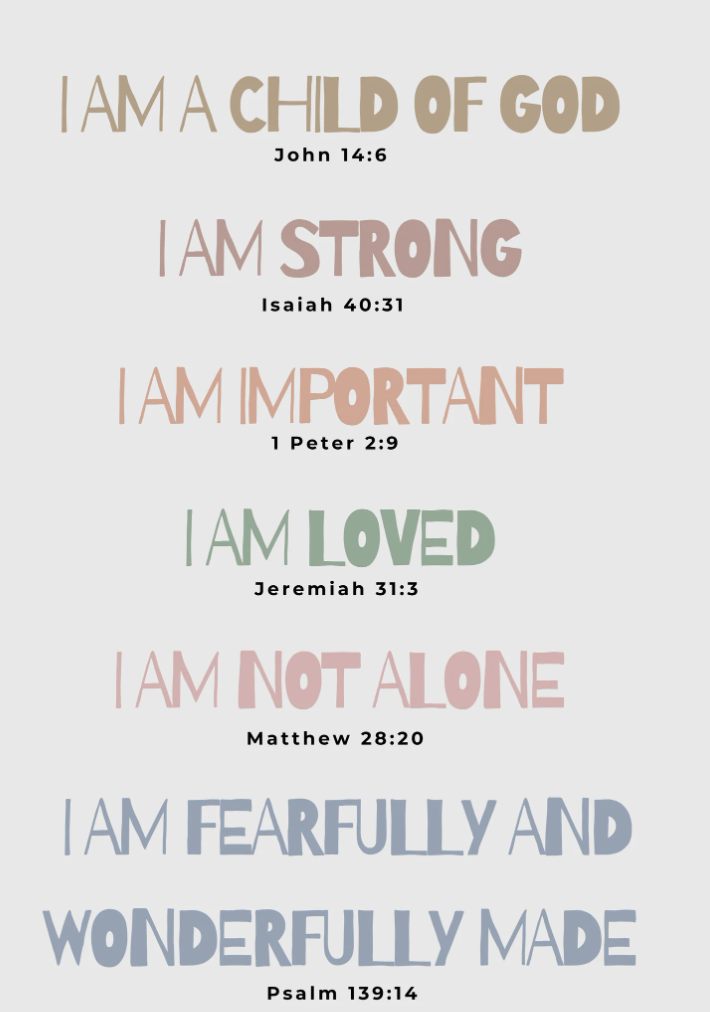
Our mission is to provide a safe, compassionate, and nonjudgmental environment where Christian patients can speak openly about emotional, psychiatric, relational, and spiritual struggles. We want to dismantle the stigma that has too often surrounded mental illness within Christian communities.
Mental illness, by itself, is not proof that someone is unsaved, living in sin, spiritually deficient, or lacking faith. Faithful Christians can experience depression, bipolar disorder, anxiety, trauma, obsessive-compulsive disorder, ADHD, psychosis, substance-use disorders, and other psychiatric conditions.
At the same time, Turned Leaf Psychiatry recognizes that a person's spiritual life can profoundly influence mental, physical, and relational well-being. When desired by the patient, treatment may incorporate Scripture, prayer, Christian spiritual practices, and discussions about faith, identity, purpose, suffering, forgiveness, and hope.
Everyone Is Welcome
Faith integration is patient-directed and never required.
Turned Leaf Psychiatry warmly welcomes people from every religious tradition, as well as those who do not identify with any religion. Regardless of faith, denomination, ethnicity, background, beliefs, identity, or personal history, every patient will be treated with dignity and respect and receive care guided by clinical evidence and professional standards.
Our purpose is not to force faith upon anyone. It is to ensure that patients who consider Christianity central to their lives do not have to separate their faith from their mental-health treatment.
Turned Leaf Psychiatry provides evidence-based psychiatric care from a Christian-informed perspective. We strive to help every patient strengthen overall well-being, pursue meaningful change, and become the healthiest and most complete version of the person they were created to be.
Turned Leaf Psychiatry
Evidence-Based. Christian-Centered. Integrated Care.
If you are in crisis
If you are having thoughts of suicide or are in emotional crisis, call or text 988 to reach the 988 Suicide & Crisis Lifeline. If you or someone else is in immediate danger, call 911.
Medical disclaimer
This article is educational information only. It is not a diagnosis, a treatment plan, or a substitute for individualized care from your own clinician. For emergencies call 911; for a mental health crisis call or text 988.
Read our editorial policy or report a correction.