

Mental Health · August 23, 2025

1. Sleep Optimization
Why it matters: Sleep is essential for emotional regulation, memory consolidation, and removal of neurotoxins (via the glymphatic system).
Recommendations:
- Aim for 7-9 hours of sleep nightly.
- Maintain a consistent sleep/wake schedule (even on weekends).
- Limit screen time 1-2 hours before bed (firm 11 PM cut-off time).
- Avoid caffeine after 2 p.m.
- Consider melatonin (low dose), magnesium, or CBT-I if recommended by your clinician.

2. Anti-Inflammatory Nutrition
Why it matters: Nutrient-rich diets may help reduce inflammation, support neurotransmitter production, and support gut-brain signaling.
Recommendations:
- Emphasize omega-3s, leafy greens, berries, fermented foods, and whole grains.
- Reduce sugar, ultra-processed foods, and alcohol.
- Mediterranean or MIND diet patterns are among the more evidence-based approaches.
- Stay hydrated throughout the day.
- Consider supplements like L-methylfolate, vitamin D, or probiotics under medical guidance.
3. Movement and Exercise
Why it matters: Exercise supports neuroplasticity and can improve mood.
Recommendations:
- Aim for 150 minutes/week of moderate aerobic activity (e.g., brisk walking, cycling).
- Include resistance training 2x/week.
- Regular high-intensity interval training (HIIT) may help improve mild to moderate depressive symptoms for some people, though it is not a substitute for individualized psychiatric treatment; talk with your clinician about how exercise fits into your care plan.
- Incorporate mind-body practices like yoga, tai chi, or qigong to support nervous system regulation.

4. Social Connection
Why it matters: Strong relationships can buffer stress, support emotional regulation, and reduce risk factors for depression and cognitive decline.
Recommendations:
- Cultivate meaningful connections weekly with family, friends, or community.
- Join a support group or spiritual community if that fits your values.
- Prioritize authenticity and vulnerability in relationships.

5. Stress Management and Nervous System Regulation
Why it matters: Chronic stress can affect cortisol regulation and impair emotional and cognitive functioning.
Recommendations:
- Practice daily relaxation techniques: deep breathing, progressive muscle relaxation, mindfulness, guided imagery, or non-sleep deep rest (NSDR).
- Try "thought walks"—processing emotions while walking outdoors.
- Use tools like a mood-tracking app or journaling to build emotional awareness.

6. Digital and Environmental Hygiene
Why it matters: Overexposure to digital stimulation and cluttered environments can increase cognitive load and stress.
Recommendations:
- Create technology boundaries: a digital curfew and social media limits.
- Reduce multitasking and exposure to negative news cycles.
- Design calm, organized spaces with natural light, greenery, and sensory balance.
- Consider limiting screen exposure in the hour or two before bed to support sleep quality.

7. Daily Structure and Meaning
Why it matters: Purpose and predictable routines support motivation, executive function, and mood stability, and may help regulate the brain's reward system and reduce stress-related dysregulation.
Recommendations:
- Establish a daily rhythm with consistent routines (wake time, meals, movement, wind-down rituals).
- Get at least 15 minutes of morning sunlight exposure, which can support alertness, circadian rhythm, and sleep quality. In overcast climates, a light box may be a helpful alternative.
- Identify and regularly engage in activities aligned with personal values (e.g., hobbies, volunteering, spirituality, creativity).
- Use a planner or habit tracker to support structure and accountability.
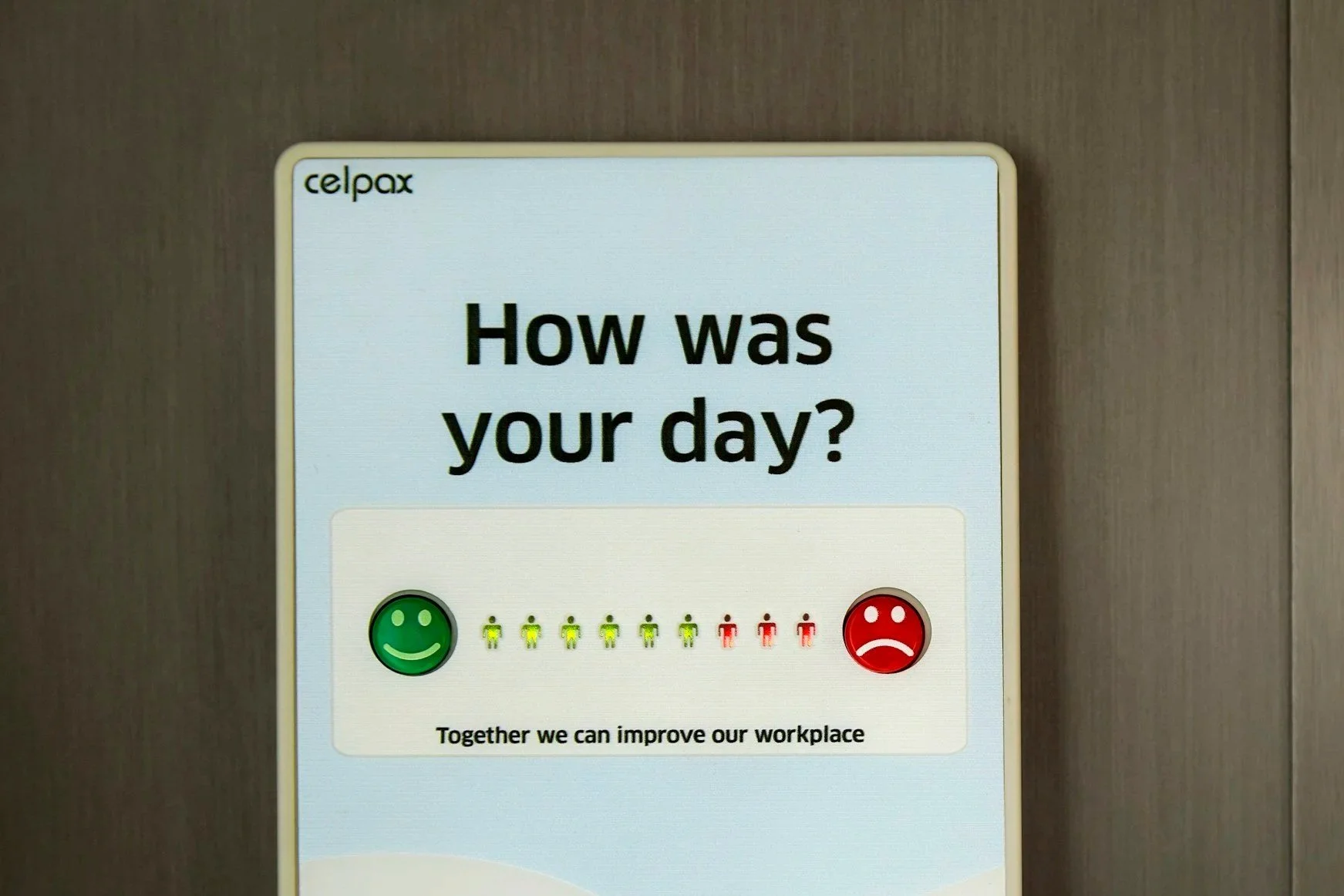
Follow-Up and Support
Reassess progress regularly, adjust based on barriers and preferences, and remember that small, consistent changes can add up over time. If you'd like support building a personalized plan, reach out to Turned Leaf Psychiatry.
References
If you are in crisis
If you are having thoughts of suicide or are in emotional crisis, call or text 988 to reach the 988 Suicide & Crisis Lifeline. If you or someone else is in immediate danger, call 911.
Medical disclaimer
This article is educational information only. It is not a diagnosis, a treatment plan, or a substitute for individualized care from your own clinician. For emergencies call 911; for a mental health crisis call or text 988.
Read our editorial policy or report a correction.