
Psychiatric Treatments · September 16, 2026
Depression can affect nearly every part of life—from sleep, energy and concentration to relationships, work and the ability to enjoy activities that once mattered. Antidepressant medications and psychotherapy remain effective treatments, but they do not work equally well for everyone. Some patients experience only partial relief, unwanted side effects or difficulty attending frequent in-office treatments.
Flow offers a new option: prescription brain-stimulation treatment that patients can use from the comfort and privacy of home.
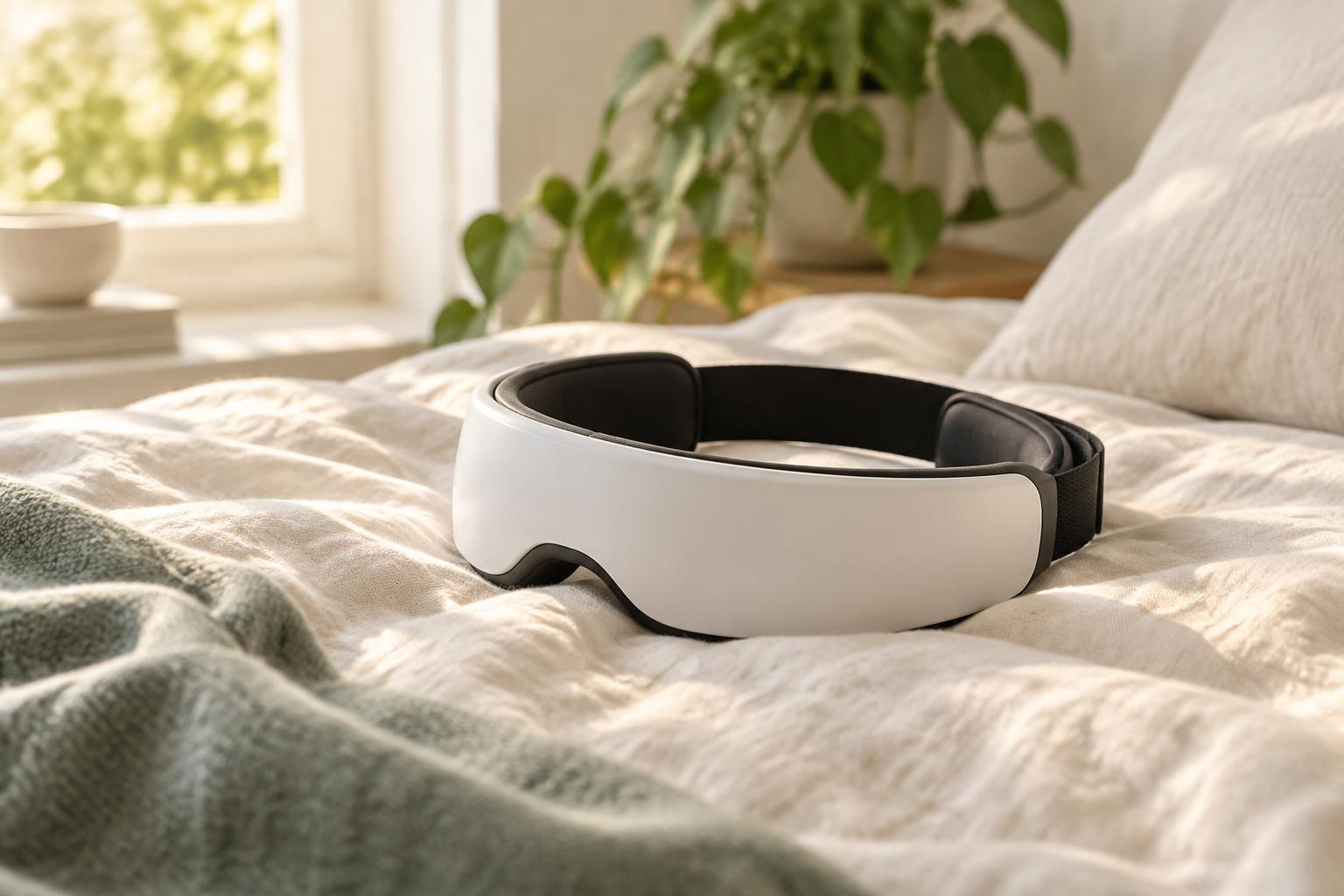
The Flow FL-100 is the first FDA-approved at-home transcranial direct-current stimulation device for depression. It provides a noninvasive, medication-free treatment that may be used alone or alongside antidepressant medication and psychotherapy.
Turned Leaf Psychiatry can evaluate whether Flow may be appropriate for you, review its risks and benefits, and help you take the next step toward treatment. You can also learn more directly from the manufacturer at Flow Neuroscience.
What Is Flow?
Flow is a wearable medical headset that provides transcranial direct-current stimulation, commonly called tDCS. It delivers a gentle, low-level electrical current through two electrodes positioned over the forehead.
The treatment targets areas of the prefrontal cortex involved in mood, motivation, concentration and emotional regulation. These brain networks may function differently in people experiencing major depressive disorder.
Flow is not electroconvulsive therapy, or ECT. It does not cause a seizure, require anesthesia or produce the memory effects sometimes associated with ECT. Flow is also different from transcranial magnetic stimulation, or TMS, which uses magnetic pulses and must normally be administered at a treatment center.
What Is Flow Approved to Treat?
The FDA approved the Flow FL-100 for adults 18 years and older who are experiencing a current episode of moderate-to-severe major depressive disorder.
Flow may be prescribed:
- As a stand-alone treatment.
- Alongside an antidepressant.
- Alongside psychotherapy.
- As part of a broader, individualized depression-treatment plan.
The current FDA indication is for patients who are not considered medication-treatment-refractory. In other words, Flow may not be the best option for someone who has already failed multiple adequate medication trials. Those patients may benefit more from an established treatment-resistant depression intervention such as TMS, Spravato or another specialty treatment.
A psychiatric evaluation is important because depression can have many causes and may sometimes be part of bipolar disorder, a medical condition, trauma-related illness, substance use or another psychiatric diagnosis.
How Does Flow Work?
Flow supplies a two-milliamp electrical current to the prefrontal cortex during a 30-minute treatment session. The current does not force the brain's neurons to fire. Instead, it changes how easily certain neurons and brain networks become active.
The goal is to increase activity in the left dorsolateral prefrontal cortex while modulating activity on the right. Repeated sessions may gradually strengthen brain networks involved in healthy mood regulation and cognitive functioning.
Flow treatment is guided through a smartphone application. The app walks the patient through positioning the headset, completing each session and tracking treatment progress.
The standard 10-week treatment course consists of:
- Five 30-minute sessions per week for the first three weeks.
- Three 30-minute sessions per week for the next seven weeks.
Your psychiatric provider should continue monitoring your symptoms, functioning, safety and overall response throughout treatment.
What Are the Benefits of Flow Compared With TMS?
Flow and TMS are both noninvasive brain-stimulation treatments, but they are not interchangeable. TMS uses strong magnetic pulses to activate specific areas of the brain and has an established role in treatment-resistant depression. Flow uses a much weaker direct electrical current to gradually influence cortical activity.
Flow's most significant advantage is convenience.
Instead of traveling to a TMS clinic five days per week, an eligible patient can complete Flow sessions at home. This may make treatment more accessible for people who:
- Live far from a TMS center.
- Cannot repeatedly leave work or school.
- Have transportation limitations.
- Have childcare or caregiving responsibilities.
- Prefer the privacy and comfort of home.
- Want a nonmedication option.
- Have experienced systemic medication side effects.
Flow does not require anesthesia, sedation or recovery time. After a session, patients can generally return to their usual activities.
Flow may also produce fewer whole-body side effects than antidepressant medication because it does not circulate through the body. It is not associated with weight gain, sexual dysfunction or gastrointestinal effects in the same way some medications can be.
However, Flow should not automatically be considered more effective than TMS. TMS has a longer and more extensive evidence base, particularly for patients who have not improved after multiple antidepressant trials. Flow may be more convenient, but the best treatment depends on the patient's diagnosis, depression severity, treatment history and individual needs.
What Is Flow's Success Rate?
In the principal randomized, sham-controlled clinical study, 174 adults with major depressive disorder completed a 10-week treatment protocol.
Based on the primary clinician-rated depression scale:
- Approximately 54% experienced a treatment response, generally meaning a substantial reduction in depressive symptoms.
- Approximately 45% achieved remission, meaning symptoms fell below the study's threshold for active depression.
- The sham-treatment group had a remission rate of approximately 22%.
Another clinician-rated scale used in the study found response and remission rates of approximately 63% and 58%, respectively. For patient education, the more conservative finding—approximately 54% response and 45% remission—is the most appropriate figure to use.
The peer-reviewed study published in Nature Medicine found that active Flow treatment produced significantly better results than sham treatment. Participants included people taking stable antidepressant medication, receiving psychotherapy and receiving no other depression treatment.
These results are encouraging, but no depression treatment works for everyone. Improvement is more likely when Flow is prescribed for an appropriate patient and combined with regular clinical monitoring and a comprehensive treatment plan.
Can Flow Be Used With Antidepressant Medication?
Yes. The FDA approved Flow both as a stand-alone treatment and as an adjunctive treatment.
Approximately 63% of participants in the pivotal clinical trial were taking antidepressant medication. Their medication had to remain stable during the study, and improvement was still observed among participants using Flow alongside medication.
Patients should not discontinue or change antidepressant medication simply because they begin Flow. Medication adjustments should be made in collaboration with the prescribing psychiatric provider.
What Does Flow Cost, and Does Insurance Cover It?
As of September 2026, the reported US cost is approximately $2,200 for the initial 10-week treatment program, followed by approximately $325 per month if continued treatment is recommended.
Insurance coverage is still developing. Flow is new to the United States, and patients should presently expect that the device may require out-of-pocket payment. The manufacturer has indicated that it is working with insurers to obtain reimbursement, but coverage is not yet routine.
Pricing, financing options and insurance policies can change. Patients should confirm current costs directly with Flow before beginning treatment. Turned Leaf Psychiatry can help patients understand the clinical process and provide appropriate documentation, but approval or reimbursement cannot be guaranteed.
Are There Side Effects?
Flow's side effects are generally mild and temporary. The most commonly reported effects include:
- Redness beneath the electrodes.
- Tingling, itching or a burning sensation.
- Mild scalp discomfort.
- Headache.
- Temporary difficulty concentrating during treatment.
- Sleepiness or fatigue.
Using a new, properly hydrated electrode pad for every session is important. Reusing pads or using dried-out pads can increase the risk of skin irritation or burns.
Flow should not be placed over broken skin or over a metallic skull reconstruction at the electrode site. Patients who are pregnant, experiencing suicidal thoughts, have a history of mania, have a seizure disorder or have an implanted medical device require careful clinical evaluation before treatment.
Flow is not an emergency intervention. Anyone experiencing suicidal thoughts, psychosis, severe mood deterioration or an inability to remain safe should call 911, call or text 988, or go to the nearest emergency department.
Get Started With Flow at Turned Leaf Psychiatry
You do not have to keep accepting depression as your normal.
Turned Leaf Psychiatry provides innovative, personalized and evidence-based psychiatric care. We can help you determine whether Flow is an appropriate part of your depression-treatment plan.
During your evaluation, we can:
- Confirm whether your symptoms meet criteria for major depressive disorder.
- Screen for bipolar disorder and other conditions that may affect treatment.
- Review your previous medication and psychotherapy history.
- Evaluate possible contraindications and safety concerns.
- Discuss Flow, medication, therapy, TMS and other available options.
- Help coordinate access to Flow when it is clinically appropriate.
- Monitor your symptoms and progress throughout treatment.
- Adjust your overall treatment plan based on your response.
Flow brings prescription brain stimulation out of the treatment center and into the home. For the right patient, it may offer a convenient, well-tolerated and evidence-supported opportunity to move beyond depression.
Contact Turned Leaf Psychiatry today to schedule a depression evaluation and learn whether at-home Flow treatment may be right for you. You can also visit the manufacturer's patient site at flowneuroscience.com.
Innovative | Personalized | Evidence-Based
This article is intended for general education and does not replace an individualized medical evaluation. Flow requires a prescription, and eligibility must be determined by a qualified healthcare provider.
References
If you are in crisis
If you are having thoughts of suicide or are in emotional crisis, call or text 988 to reach the 988 Suicide & Crisis Lifeline. If you or someone else is in immediate danger, call 911.
Medical disclaimer
This article is educational information only. It is not a diagnosis, a treatment plan, or a substitute for individualized care from your own clinician. For emergencies call 911; for a mental health crisis call or text 988.
Read our editorial policy or report a correction.